
Driver Acceptance and Privacy in Fleet Camera Systems: What Should Fleet Managers Plan For?

A fleet camera system can be technically strong and still fail in daily use. When drivers do not trust the system or worry about privacy, resistance grows and rollout becomes harder than expected. Driver acceptance and privacy should be planned from the start of any fleet camera project. Clear communication, fair policy, limited-purpose data use, and practical training help fleets reduce resistance and build trust around camera systems. driver acceptance and privacy in fleet camera systems When fleet camera projects are evaluated, success does not depend only on image quality, channel count, or recording features. It also depends on whether drivers understand why the system is there and whether they […]
How to Evaluate Weatherproof and Vibration Resistance in Commercial Vehicle Camera Systems
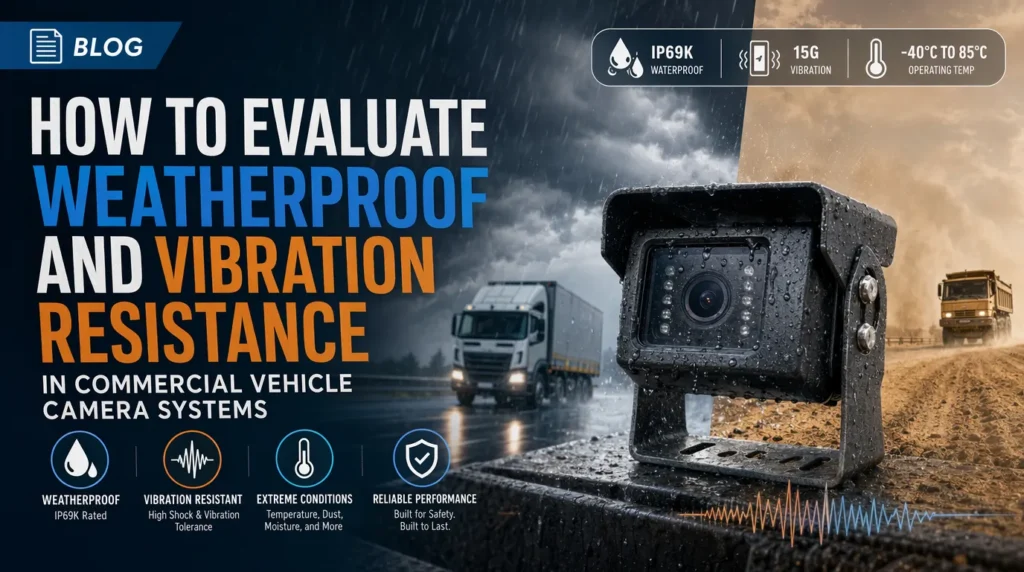
A camera system can look rugged on a datasheet, then fail after water spray, road shock, constant vibration, or repeated outdoor use. Many fleet problems begin when buyers trust a rating but do not question the full durability story. To evaluate weatherproof and vibration resistance in commercial vehicle camera systems, you need to look beyond IP ratings and check housing design, connector sealing, cable routing, mounting stability, test logic, and real operating conditions. A durable system is not only sealed. It also has to remain stable under daily vehicle stress. weatherproof and vibration resistance in commercial vehicle camera systems When evaluating commercial vehicle camera products, durability should not be treated […]
Commercial Vehicle Camera Compliance Guide: How Do UNECE R46, R151, and R159 Differ?
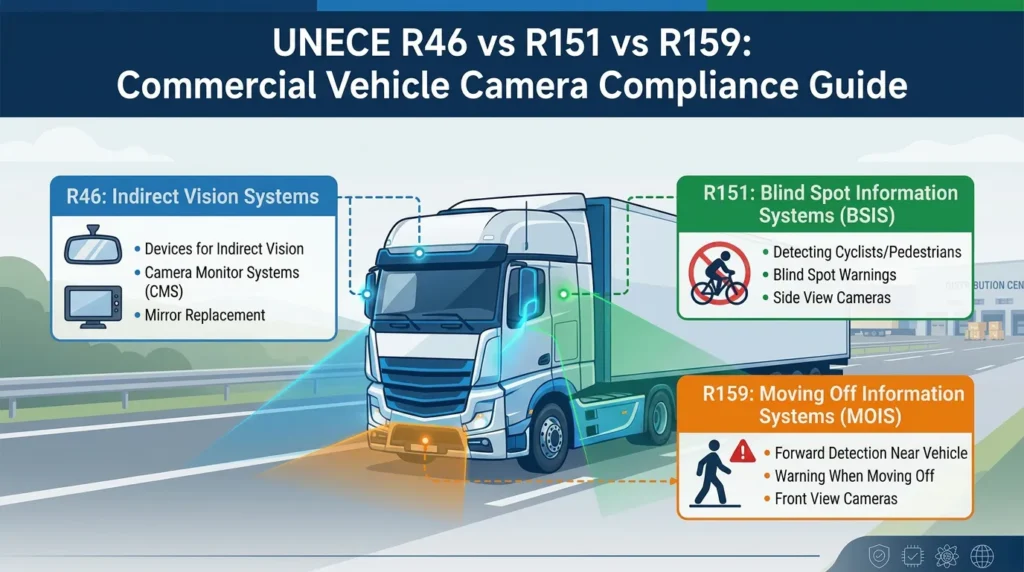
Many fleets hear terms like compliance, BSIS, MOIS, and camera monitor system, then assume they all mean the same thing. That confusion often leads to the wrong product choice, the wrong expectations, and the wrong project scope. UNECE R46, R151, and R159 cover different functions. R46 focuses on indirect vision devices, including mirrors and camera-monitor systems. R151 focuses on blind spot information. R159 focuses on moving-off information in the close front area. They are related, but they are not interchangeable. R46 is easiest to understand as a visibility regulation rather than a warning-system regulation. Its core logic is indirect vision. The driver needs a proper view of certain defined areas […]
Fleet Camera System ROI: How Do Camera Systems Reduce Accidents, Downtime, and Insurance Costs?
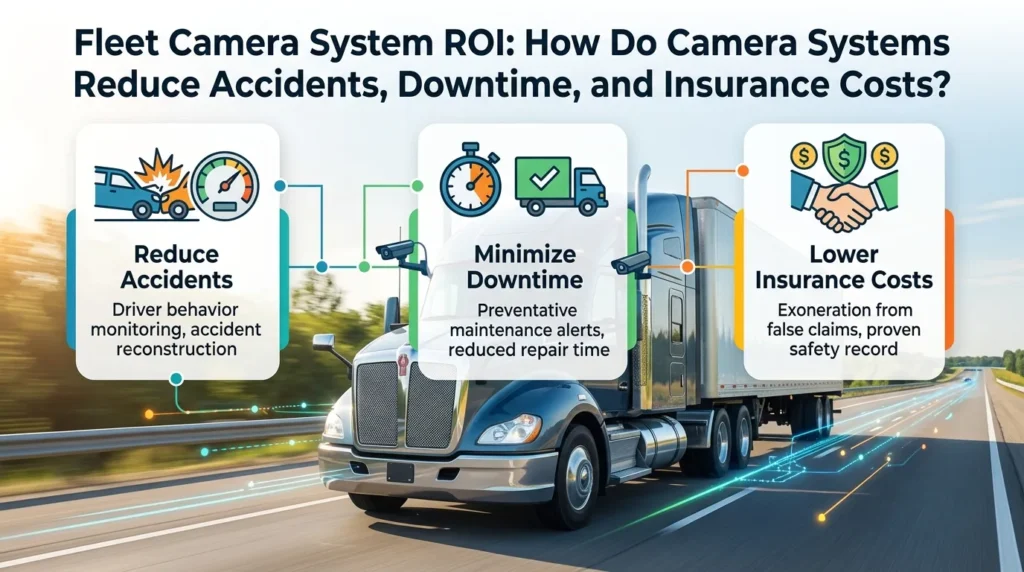
A fleet camera project can look expensive when buyers compare only hardware prices. But accidents, claim disputes, vehicle downtime, and unclear incident records can keep draining money in ways that are harder to track and harder to control. Fleet camera system ROI comes from more than accident reduction alone. It also comes from lower downtime, faster incident review, better claim handling, reduced operational disruption, and stronger control over avoidable costs across the fleet. fleet camera system ROI for commercial vehicles When fleet managers first evaluate a camera system, the discussion often starts with price. That is understandable because hardware cost is visible and installation cost can usually be estimated. But […]
Truck Camera Placement Guide: Where to Install Front, Side, and Rear Cameras
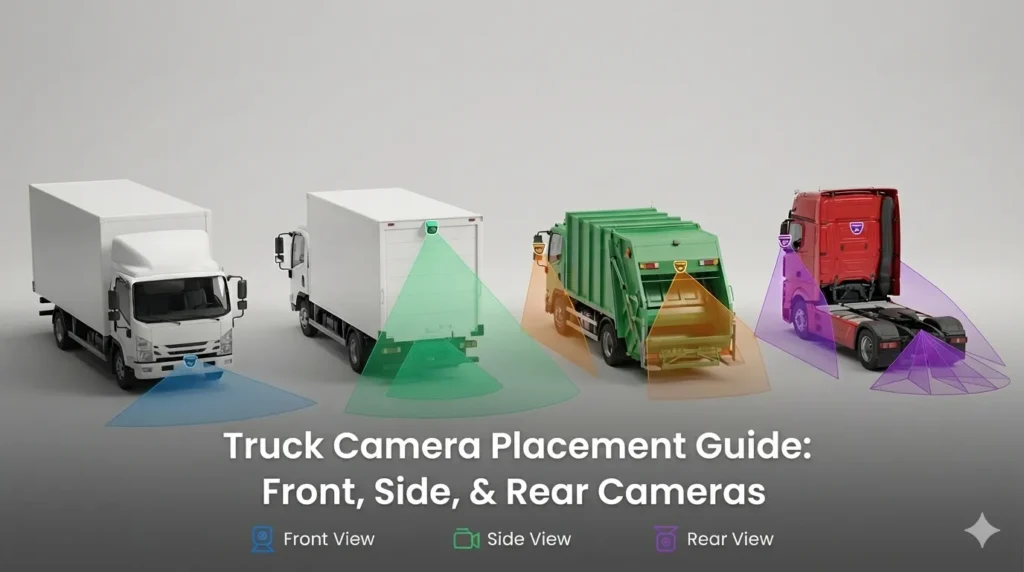
A truck camera system can still leave dangerous blind spots even when the camera itself is good. If the mounting position is wrong, the driver gets a poor view, weaker distance judgment, and less useful safety support. Front, side, and rear truck cameras should be installed based on the vehicle’s real blind spots, turning path, reversing risks, and body structure. The best placement is not only about getting a wider view. It is about choosing the right angle, height, and coverage for the truck’s actual operating conditions. truck camera placement guide for front side and rear coverage When planning a truck camera layout, the most useful starting point is not […]
How Fleets Reduce Camera System Installation Downtime Across Commercial Vehicles
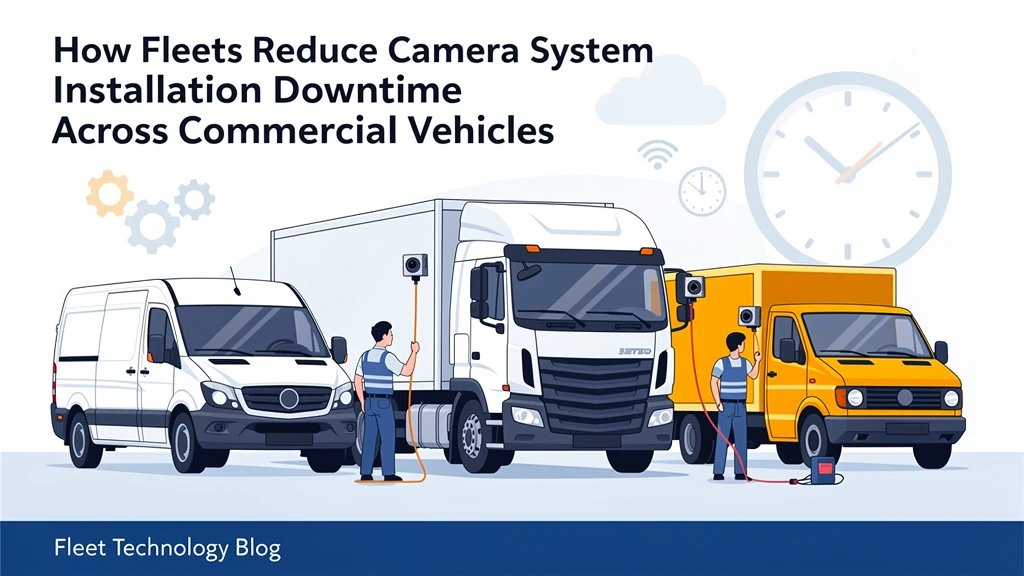
A camera system may look affordable at the quotation stage. But once vehicles sit idle, technicians spend extra hours routing cables, and rollout delays begin to affect operations, a simple upgrade can quickly become an expensive disruption. Fleets reduce camera system installation downtime by standardizing hardware, simplifying wiring, pre-configuring kits, testing on pilot vehicles, and matching installation plans to vehicle types. The goal is not only faster fitting, but less rework, less idle time, and a smoother fleet-wide rollout. In many commercial vehicle camera projects, product cost gets most of the attention at the start. That is understandable because buyers can compare prices, monitor size, resolution, channel count, and recording […]
Commercial Vehicle Camera Wiring Guide: How to Choose M12, GX12, or RCA Connectors
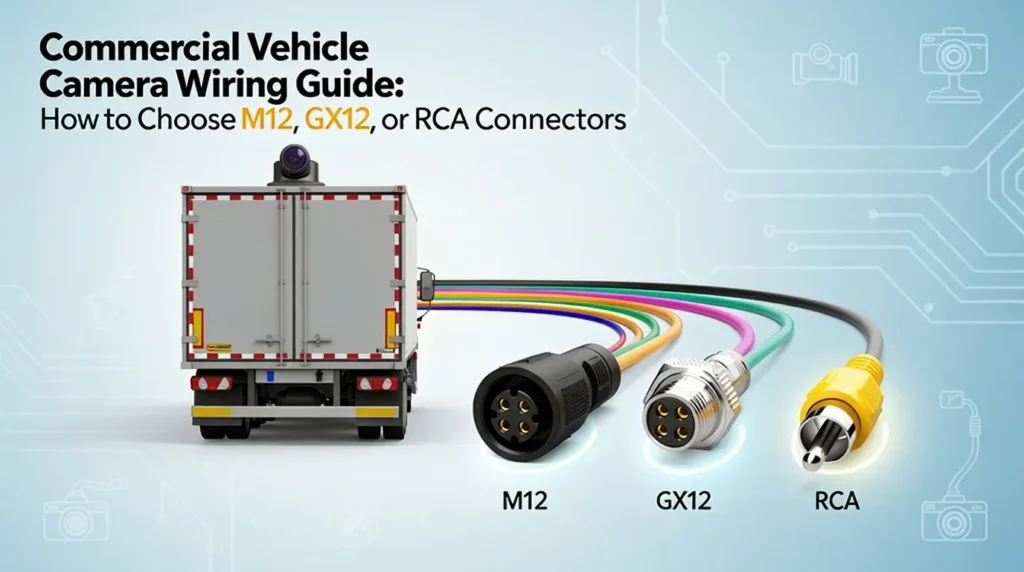
A commercial vehicle camera system can fail even when the monitor and camera are both good. In many fleet installations, the real weak points are the wiring path, connector choice, and long-term exposure to vibration, moisture, and daily use. For most demanding fleet applications, M12 connectors are the safest long-term choice because they offer stronger locking, better sealing, and better resistance to harsh vehicle environments. GX12 connectors can work in some protected commercial installations where conditions are more controlled. RCA connectors are still common in lighter-duty or simpler systems, but they are usually less suitable for demanding fleet use. commercial vehicle camera wiring and connector selection When buyers compare fleet […]
How to Choose a 4CH, 8CH, or MDVR Camera System for Commercial Fleets
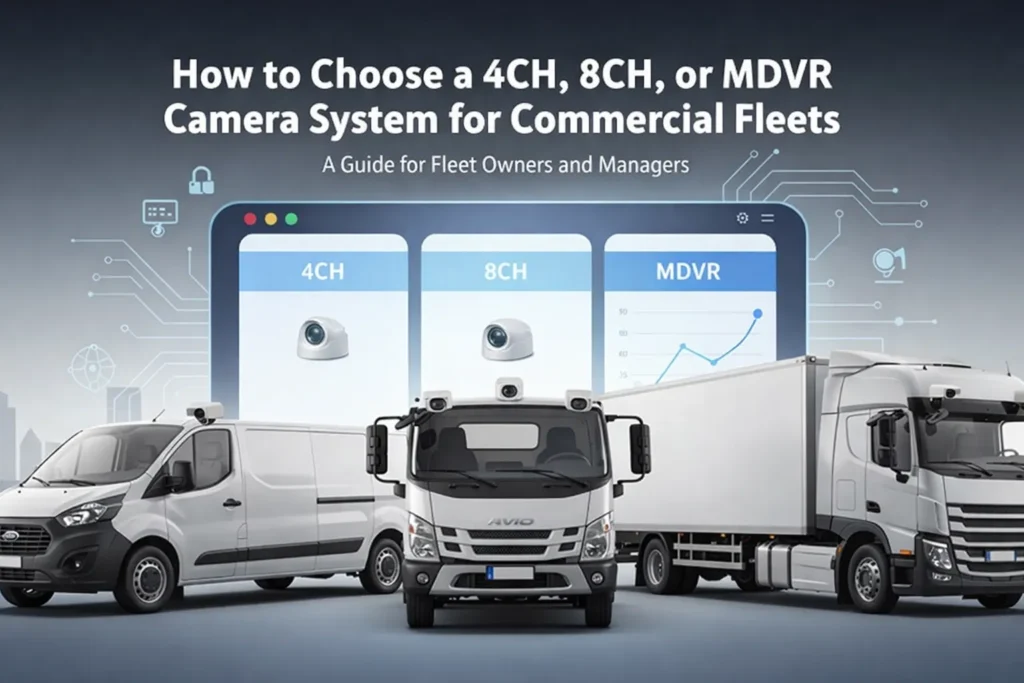
Choosing a fleet camera system sounds simple at first. But once blind spot coverage, recording requirements, channel limits, and future expansion come into the discussion, the wrong decision can create visibility gaps, weak evidence capture, and expensive rework later. In most commercial fleets, a 4CH camera system is enough for basic front, side, and rear visibility. An 8CH system is a better fit when larger vehicles need more camera positions or more expansion room. An MDVR system is usually the stronger choice when a fleet also needs structured recording, longer storage, event review, and better incident traceability. 4CH vs 8CH vs MDVR commercial fleet camera system comparison The right choice […]
How to Calibrate Backup Camera Guidelines Correctly
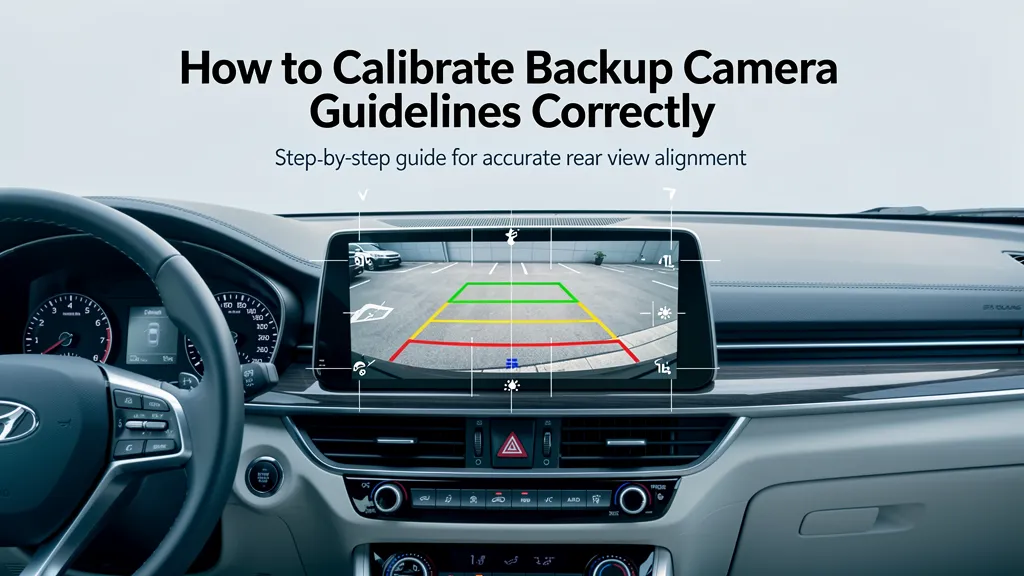
Backup camera guidelines are only useful when they match the real rear view. If the lines do not reflect the actual rear edge of the vehicle or the real distance behind it, reversing feels less intuitive and drivers quickly stop trusting the display. This guide explains how to calibrate backup camera guidelines correctly, what affects line accuracy, and how to make the image more useful for real-world reversing, parking, and docking. backup camera guideline calibration Quick Answer: How Do You Calibrate Backup Camera Guidelines Correctly? To calibrate backup camera guidelines correctly, first set the camera angle properly. For a complete system overview including installation and setup logic, see our backup […]
Best Backup Camera Angle: How to Adjust It for a Clear Rear View
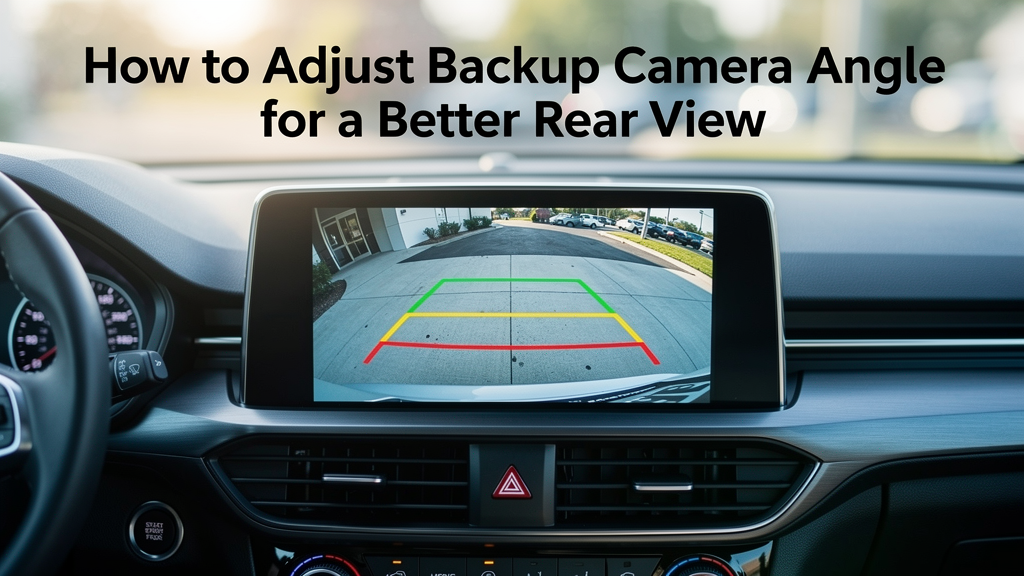
A backup camera can show a clear image, but still be difficult to use if the angle is wrong. If the camera points too high, the driver may not see the ground close behind the vehicle. If it points too low, the monitor may show too much bumper or ground, making it harder to judge distance. The best backup camera angle should help the driver see three things clearly: a small part of the bumper or rear edge the ground directly behind the vehicle enough rear distance to judge obstacles safely This guide explains how to adjust backup camera angle correctly, how much bumper should appear on the screen, what […]
 Japanese
  English
  Spanish
  German
  Arabic
  Dutch
Dutch