
Battery-Powered Backup Cameras: When They Make Sense and When They Don’t
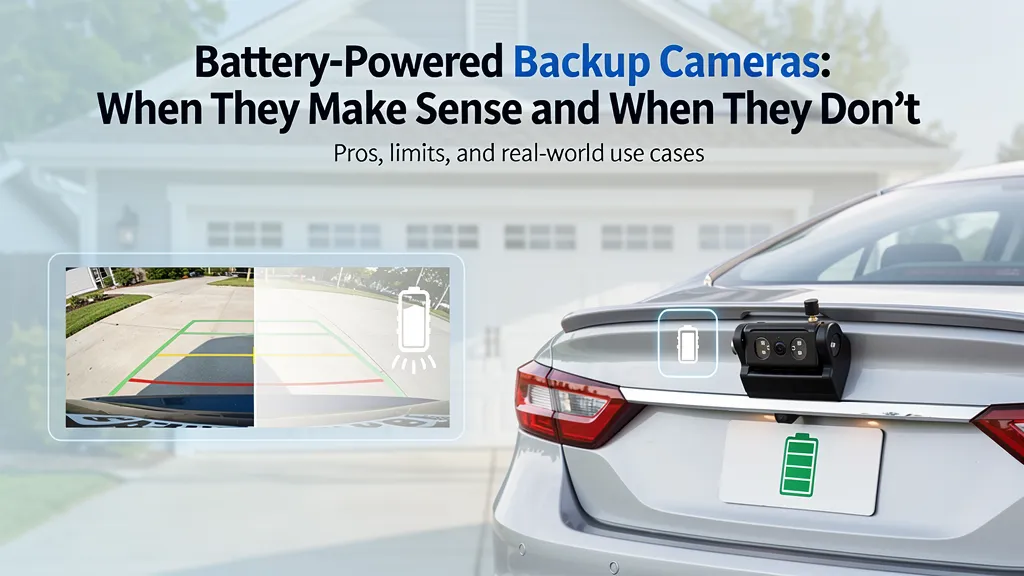
Battery-powered backup cameras solve a very specific installation problem: how to add rear visibility without full power wiring. They make the most sense when installation difficulty is the main barrier, and when flexibility or temporary use matters more than continuous fixed power. In the right setup, a battery-powered backup camera can reduce retrofit time, avoid […]
Wired vs Wireless Backup Cameras for Commercial Vehicles: Which Should You Choose?
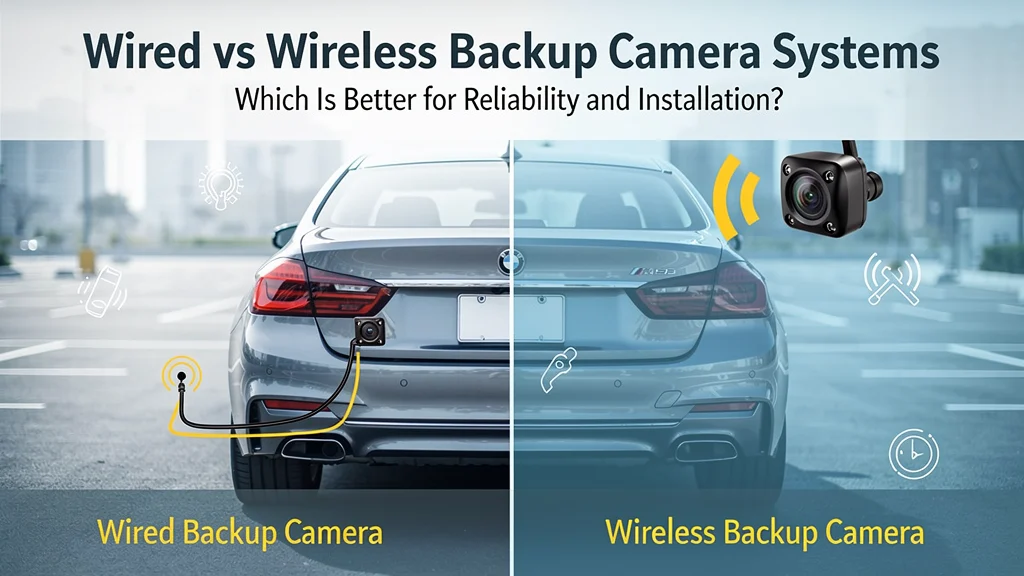
Choosing between a wired and wireless backup camera system is not only about installation difficulty. For trucks, trailers, forklifts, construction vehicles, vans, and commercial fleets, the bigger question is whether the system can provide a stable rear-view image every day. For daily-use commercial vehicles, a wired backup camera system is usually the safer default choice […]
Backup Camera Not Working: Common Causes, Signal Problems, and Fixes
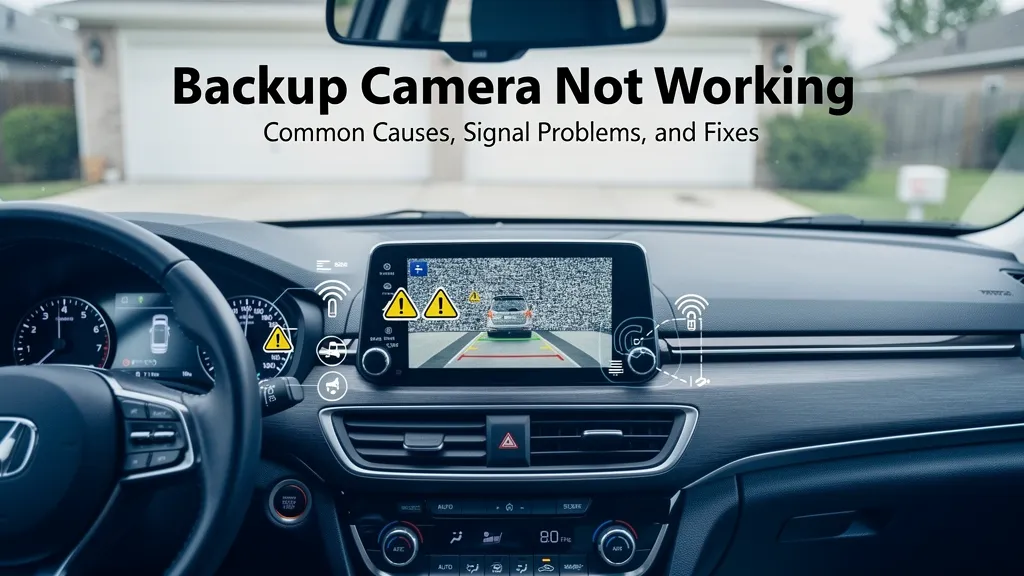
Backup camera failures often look sudden, but most of them follow a few predictable patterns. No signal, black screen, flickering, poor image quality, and failed reverse activation are usually caused by power, trigger, wiring, or connector problems rather than the camera module itself. This guide explains the most common backup camera problems, what usually causes […]
Backup Camera Systems Guide: Installation, Reliability, and How to Choose
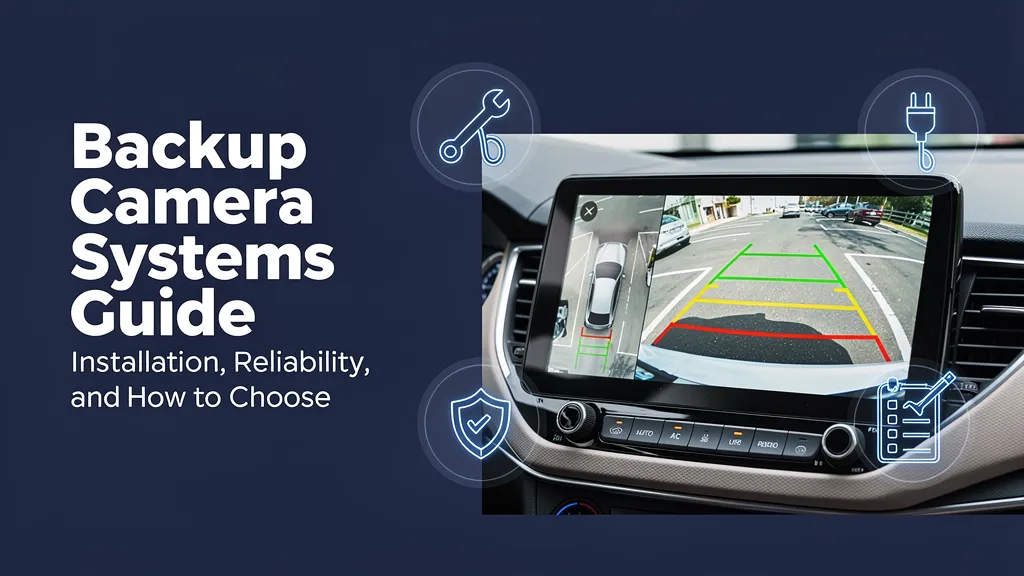
Backup camera systems do more than add convenience. They help drivers see rear blind zones more clearly, reduce low-speed reversing risk, and improve control in places where mirrors alone often leave important gaps. This guide explains how backup camera systems work, where they are used, how to choose between wired, wireless, and battery-powered options, and […]
Vehicle Blind Spots for Trucks & Fleets: Where They Happen and How to Reduce Collisions
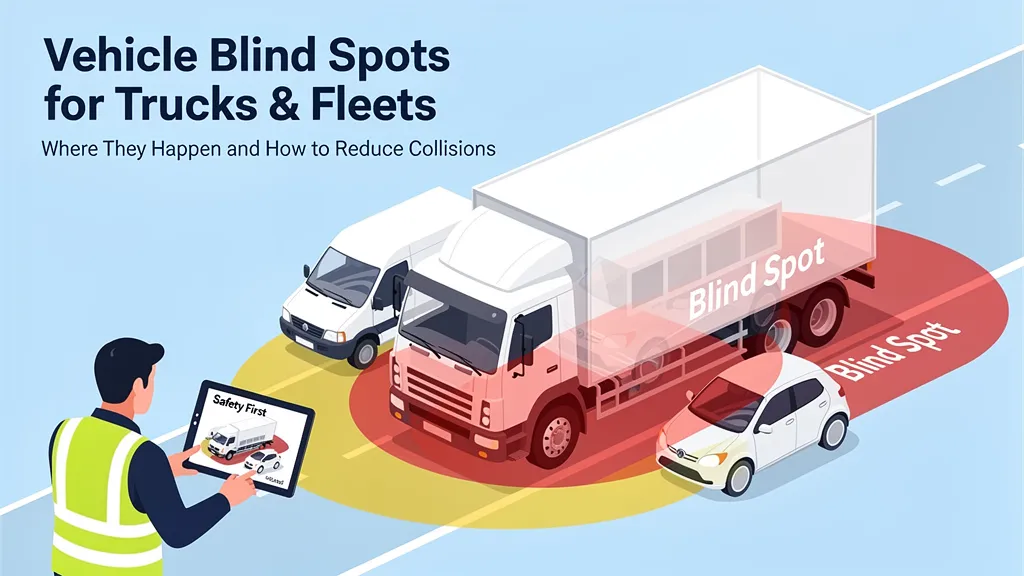
Blind spots are one of the most expensive risks in fleet operations because they create “normal-move” crashes. A driver does a routine lane change, turn, or reverse. Something was there. Nobody saw it in time. The result is downtime, claims, and lost trust. A vehicle blind spot is any area a driver cannot consistently confirm […]
Truck Blind Spot Zones Explained: Diagrams, Key Risk Areas, and Fleet Safety Layouts
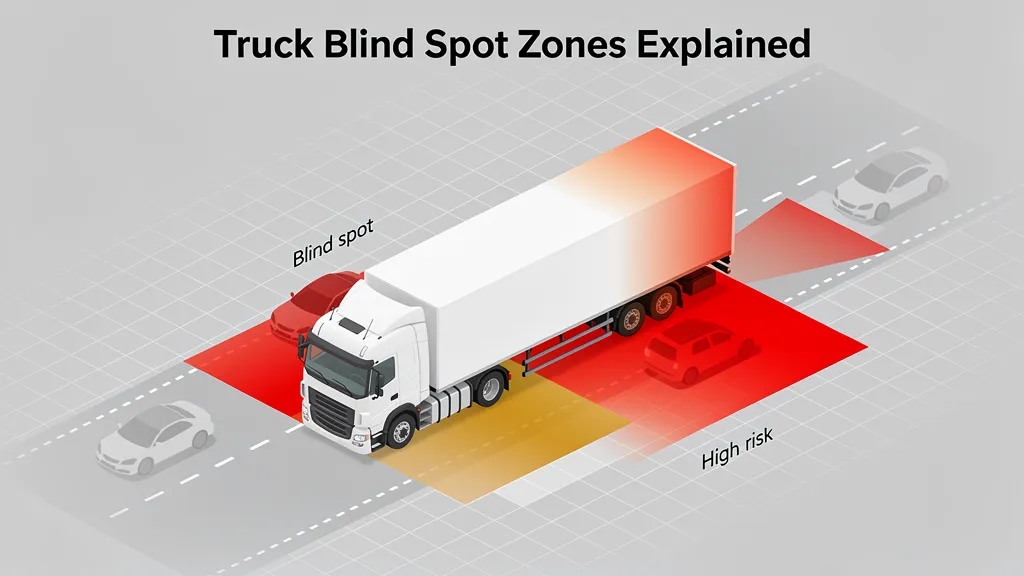
Truck blind spots are not a single “spot.” They are multiple blind zones created by cab height, seating position, trailer length, mirror field-of-view limits, and turning geometry. When fleets reduce these zones, they reduce routine-move incidents like side-swipes, turn squeeze collisions, and reversing impacts. Truck blind spot zones are the areas around a truck that […]
Blind Spot Camera vs Radar: Which Is Better for Fleets and Commercial Vehicles?
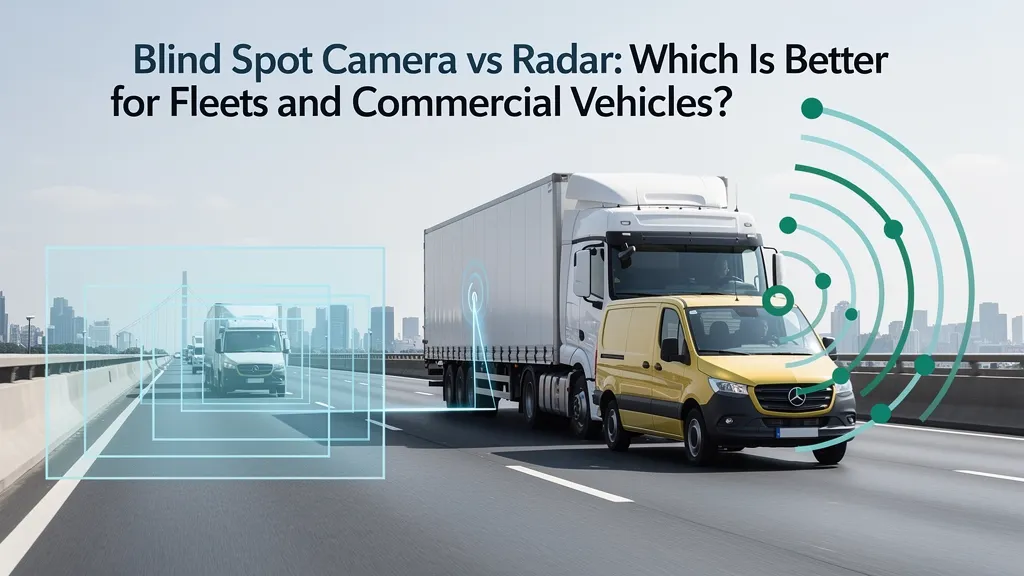
Choosing between a blind spot camera and a radar blind spot detection (BSD) system is not just a technical decision. It changes driver trust, incident rates, and how reliably hazards are confirmed during real operations like lane changes, turning, reversing, and yard maneuvering. In fleet projects, I rarely see failures caused by “bad technology.” I […]
Aftermarket Blind Spot Monitoring: Cost, Installation, and What to Avoid (Fleet Retrofit Guide)
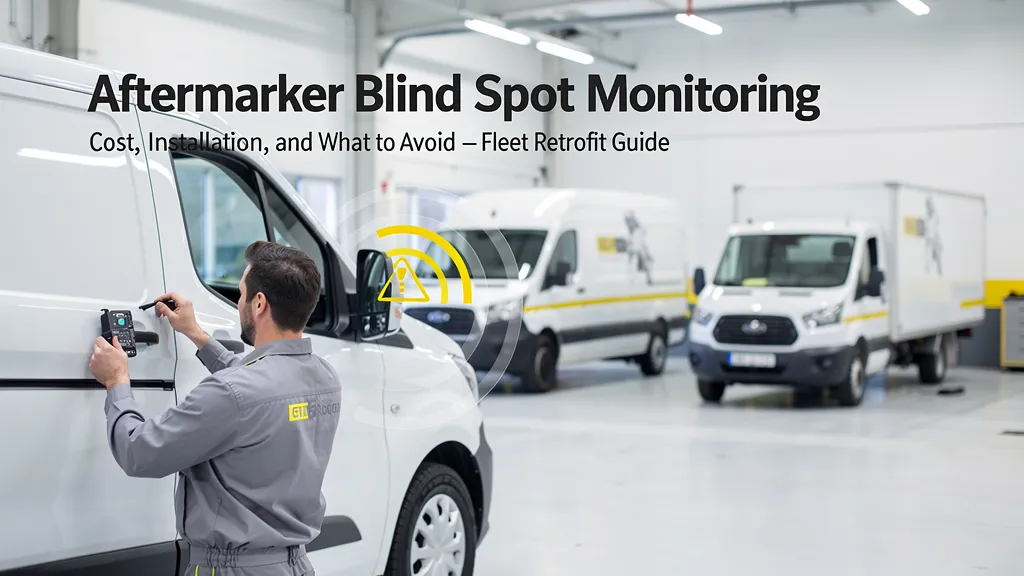
Aftermarket blind spot monitoring systems help fleets reduce blind zone risk without waiting for new vehicle purchases. They are widely used on trucks, vans, buses, and industrial vehicles, especially when fleets need fast deployment, flexible layouts, and consistent driver confirmation. In fleet retrofits, the system usually fails for predictable reasons. It fails because the coverage […]
How Fleets Reduce Blind Spot Accidents: Camera Layouts, Driver Workflow, and Rollout Standards
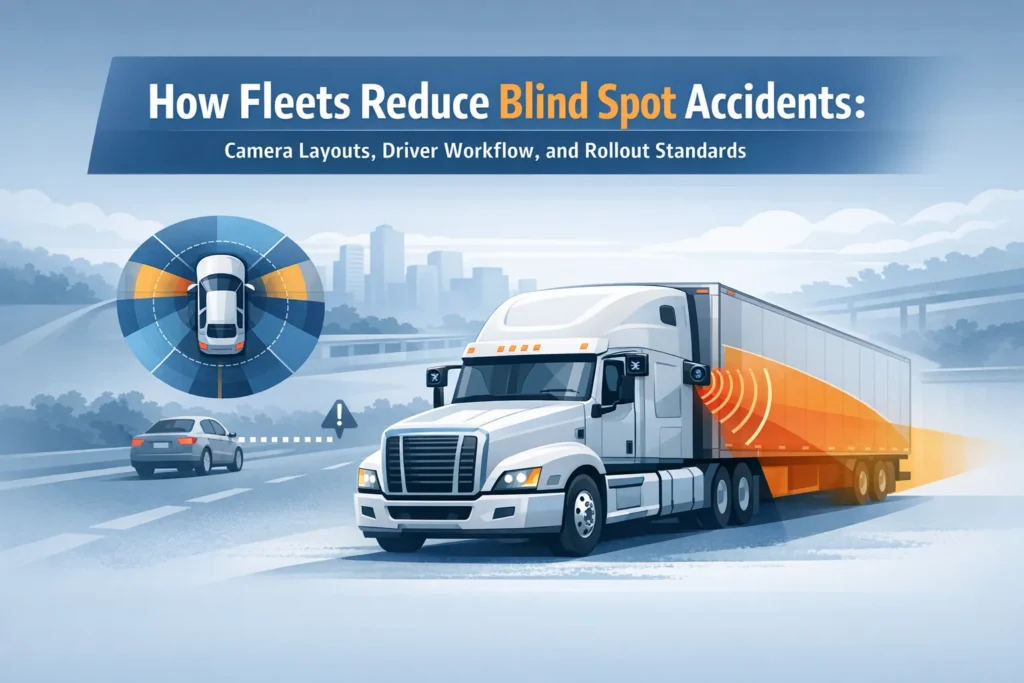
Blind spot accidents in fleets rarely happen because drivers do not care. They happen because fleets operate at scale. There are more driving hours, larger vehicles, tighter schedules, mixed environments, and frequent maneuvers. In that reality, a visibility gap becomes a repeatable incident pattern. Fleets reduce blind spot accidents by matching coverage layout to the […]
Managing Visibility and Collision Risk Across Industrial Environments
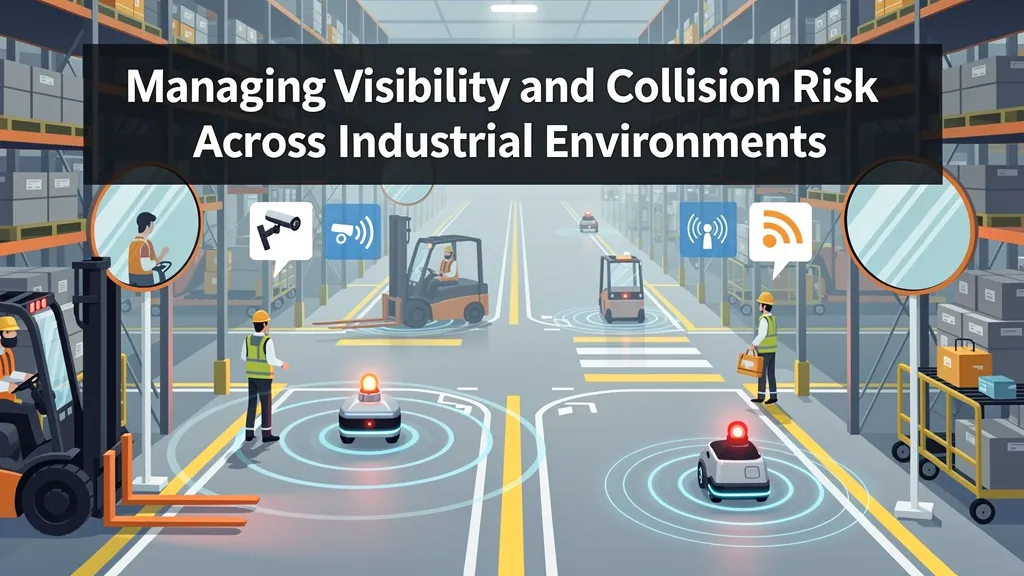
Industrial vehicles operate in environments that appear controlled but rarely remain predictable. Warehouses, yards, ports, and construction sites rely on routes, rules, and routines to manage movement, yet many serious incidents occur during normal operations rather than exceptional events. Industrial vehicle safety solutions focus on reducing collision risk by improving visibility, managing blind zones, and […]
 DE
DE  EN
EN  ES
ES  PT
PT