
Camera Systems for Construction Vehicles
Wireless and wired camera and monitor solutions designed to improve visibility and safety on construction sites.
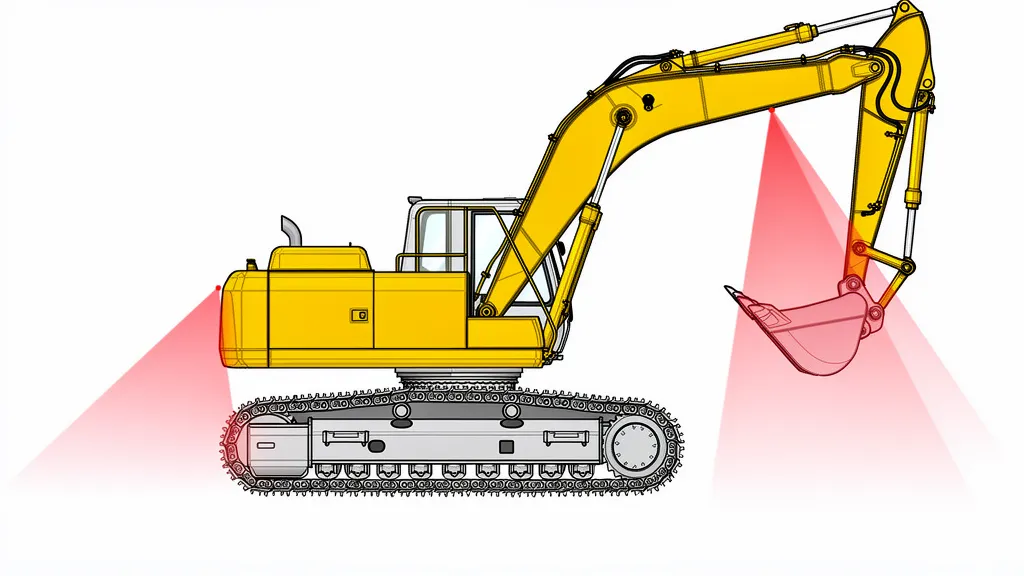
Visibility Challenges on Construction Sites
Construction vehicles operate in some of the most challenging and hazardous environments. Large machines, limited visibility, uneven terrain, and constant movement of workers and equipment create serious safety risks on construction sites.
- Large blind zones around heavy equipment
- Limited rear and side visibility during reversing and maneuvering
- Risk of collisions with workers, tools, and structures
- Difficult operation in tight or dynamic jobsite conditions
- Increased safety responsibility for operators and site managers
Camera and Monitor Solutions for Construction Vehicles
Our construction vehicle camera systems combine rugged industrial cameras with in-vehicle monitors to provide real-time visibility around heavy machinery. Both wireless and wired configurations are available, allowing the system to adapt to different vehicle types, installation conditions, and operational requirements. Multi-camera support enables operators to monitor blind spots, rear areas, and surrounding activity from a single display. These systems are designed to support safer operation without interfering with normal vehicle performance.
Wireless and Wired Camera Options for Construction Equipment
Different construction environments and equipment types require different installation approaches. To address these needs, both wireless and wired camera solutions are available.
Wireless Camera Systems
Wireless camera systems are well suited for retrofit installations and applications where fast deployment and flexible camera placement are required.
- Faster installation with reduced cable routing
- Flexible placement on different equipment
- Suitable for mixed or temporary construction fleets
Wired Camera Systems
Wired camera systems are commonly used for long-term and heavy-duty construction operations where maximum signal stability is required.
- Stable and interference-free signal transmission
- Suitable for permanent installations
- Commonly used on high-usage or long-term equipment
Multi-Camera Coverage for Safer Construction Operations
Construction sites require awareness of multiple danger zones at the same time. Multi-camera systems allow operators to monitor several critical areas through one in-cabin monitor.
For projects that require continuous video recording, event evidence, GPS or 4G connectivity, and remote fleet access, a mobile DVR for construction machinery can record and manage footage from multiple vehicle cameras.
Construction equipment projects requiring multi-camera recording, optional AI safety functions, local storage, and remote access can use an AI MDVR for construction vehicles.
Typical coverage includes:
- Rear view
- Side view
- Blind spot areas
- Tool or attachment view
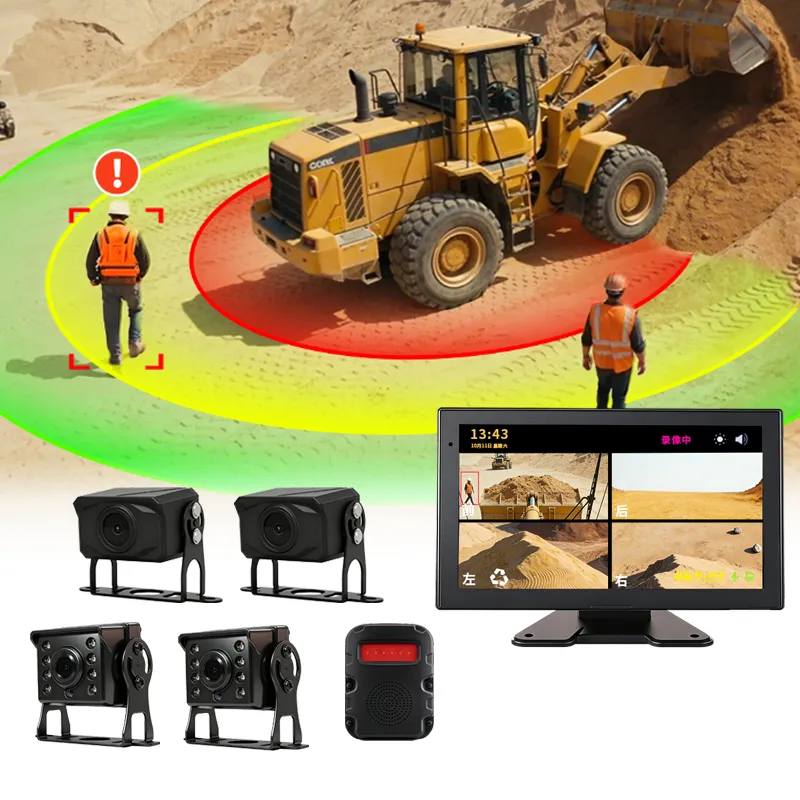
Typical Camera Views on Construction Vehicles
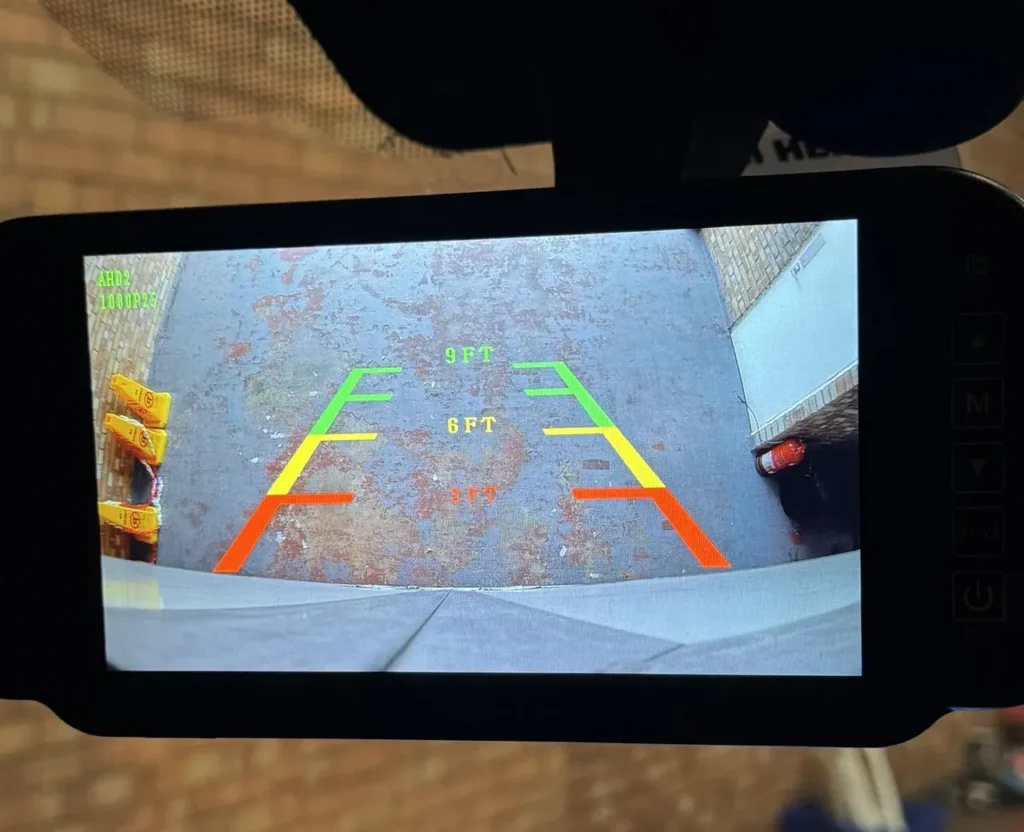
Rear View Camera
Improves safety during reversing and maneuvering, especially in crowded or confined jobsite areas.
Side View Camera
Reduces blind spots along the sides of heavy equipment and helps operators monitor nearby workers and obstacles.
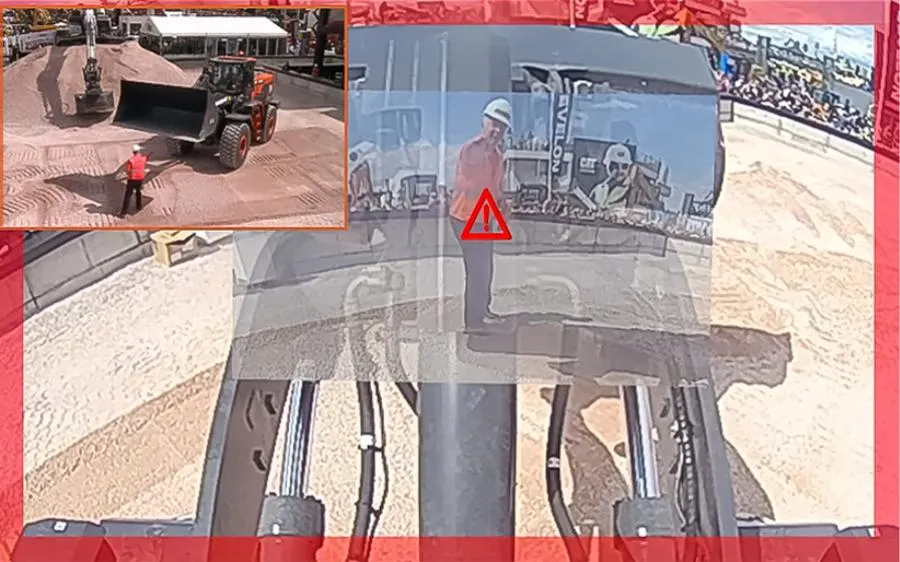
Blind Spot Camera
Enhances visibility in critical danger zones where operators may not have direct line of sight.
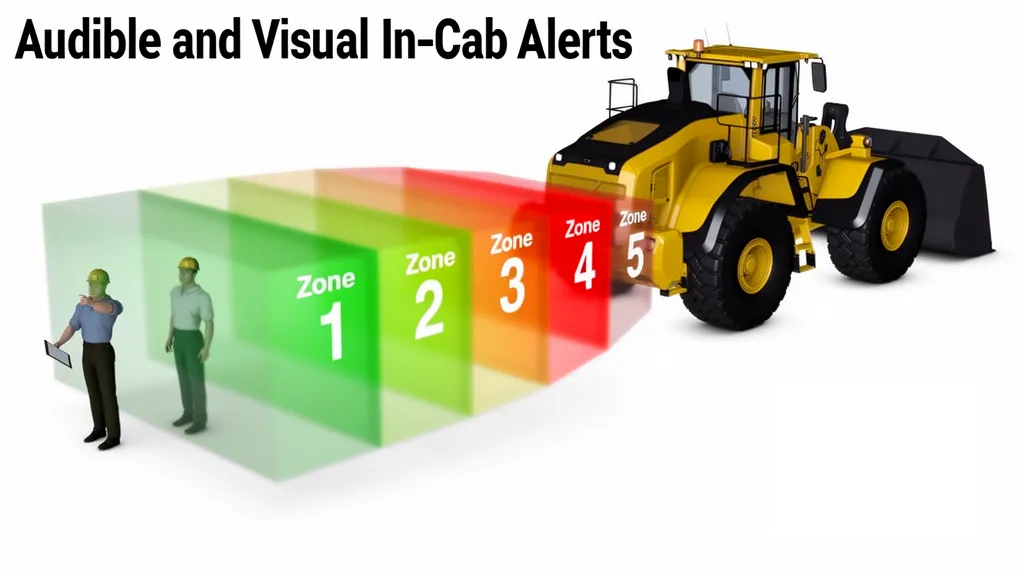
Key Benefits for Construction Site Operations
- Reduced blind spots and collision risk
- Improved operator awareness and confidence
- Enhanced safety for workers and equipment
- Flexible configurations for different construction vehicles
- Suitable for retrofit and long-term installations
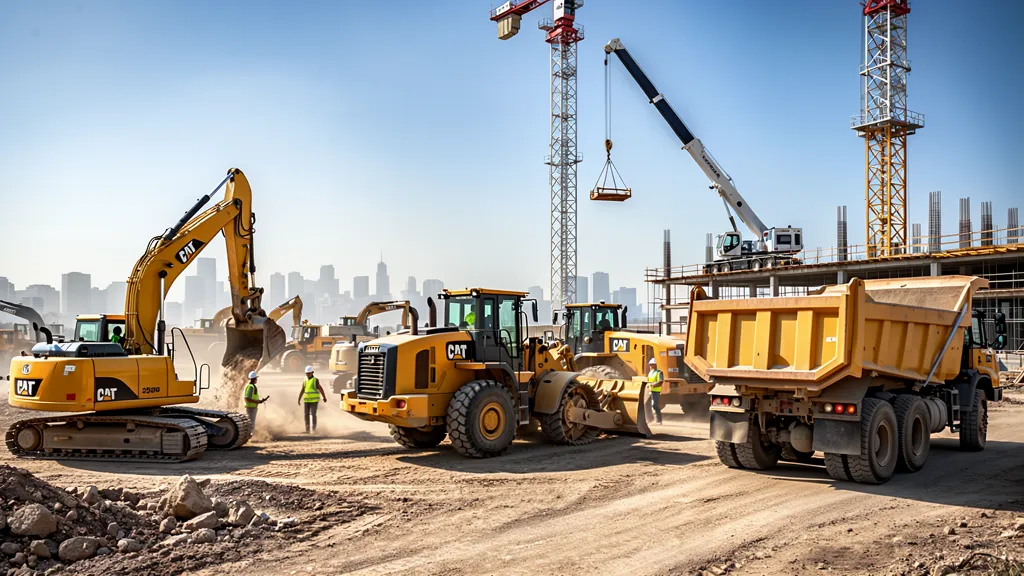
Applications Across Construction Vehicles
Camera systems are suitable for a wide range of construction equipment, including:
Excavators
Loaders and bulldozers
Dump trucks
Cranes and lifting equipment
Mixed construction fleets
.
Frequently Asked Questions About Camera Systems for Construction Vehicles
Construction vehicles operate in environments with limited visibility, moving workers, and constantly changing site conditions. Camera systems help operators monitor blind spots, rear areas, and surrounding activity in real time, reducing the risk of collisions and improving overall site safety.
Camera systems can help reduce risks related to blind spots, reversing accidents, collisions with workers or obstacles, and limited visibility in tight or uneven areas. Improved visibility supports safer maneuvering and better situational awareness for operators.
Both wireless and wired camera systems are used in construction environments. Wireless systems are often selected for retrofit installations and flexible deployment, while wired systems are commonly used for permanent installations where long-term stability is required. The choice depends on equipment type, site conditions, and installation preferences.
Yes. Camera systems are commonly used to retrofit existing construction vehicles. Both wireless and wired configurations can be adapted to excavators, loaders, dump trucks, and other equipment without interfering with normal operation.
The number of cameras depends on the equipment type and site requirements. Many vehicles start with one or two cameras for rear or blind spot coverage, while more complex operations often use multiple cameras to monitor several critical areas around the machine.
Camera systems designed for construction use are built to withstand dust, vibration, and outdoor conditions. Suitability depends on camera specifications such as enclosure protection, operating temperature range, and installation method.
Yes. By improving operator visibility and awareness, camera systems support safer working practices on construction sites. They can be part of a broader safety strategy aimed at reducing incidents, protecting workers, and improving compliance with site safety requirements.
Talk to Us About the Right Construction Vehicle Camera Solution
Every construction site presents unique safety and visibility challenges. Selecting the right camera solution depends on equipment type, working environment, and operational requirements.
Contact us to discuss a construction vehicle camera and monitor configuration tailored to your jobsite needs.
 Arabic
  English
  Spanish
  Japanese
  German
  Dutch
Dutch