
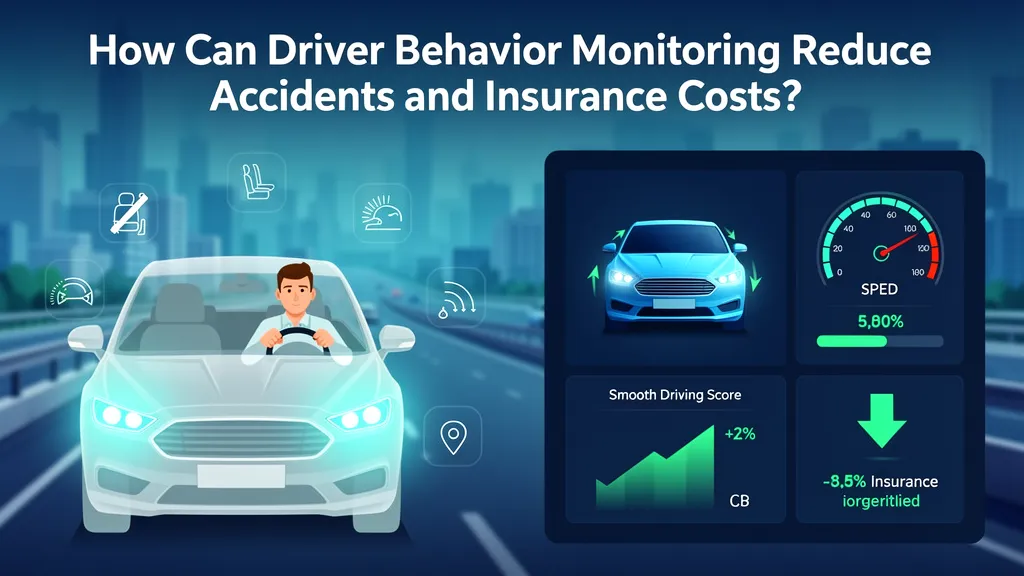
Every year, I still see preventable fleet accidents happen. The damage is real. Costs rise fast. Most teams react too late, after injuries, claims, and lost trust already happen.
Driver behavior monitoring reduces accidents and insurance costs by identifying risky driving early, correcting behavior in real time, and proving lower risk to insurers through data-backed safety management.
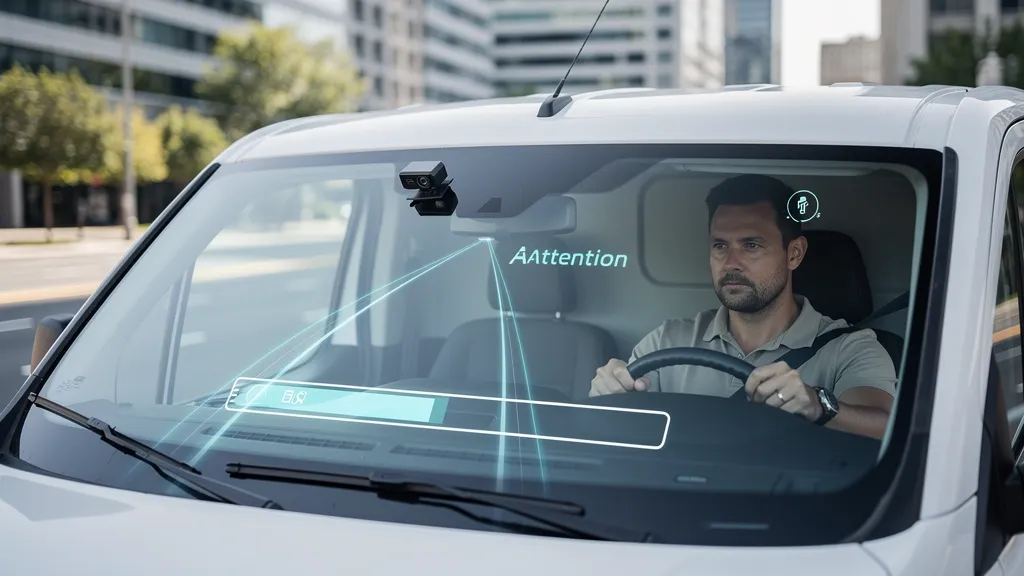
I want to be clear about one thing. This topic is not about spying on drivers. It is about understanding why accidents happen and stopping them before they do. Once that idea is clear, the value becomes obvious.
What Risky Driving Behaviors Cause Most Fleet Accidents and Claims?
Many fleet accidents do not come from bad weather or bad luck. They come from repeated driving habits that slowly increase risk. I have reviewed many accident cases, and the same patterns appear again and again.
Risky driving behaviors usually include distracted driving, fatigue, speeding, harsh braking, harsh acceleration, tailgating, and not wearing seat belts. These actions may seem small in isolation. Over time, they create dangerous situations that end in collisions, injuries, and insurance claims.
Driver behavior monitoring systems identify these behaviors through in-cab cameras and vehicle data. The system records when drivers look away from the road, show signs of fatigue, or drive aggressively. This turns vague concerns into clear facts.
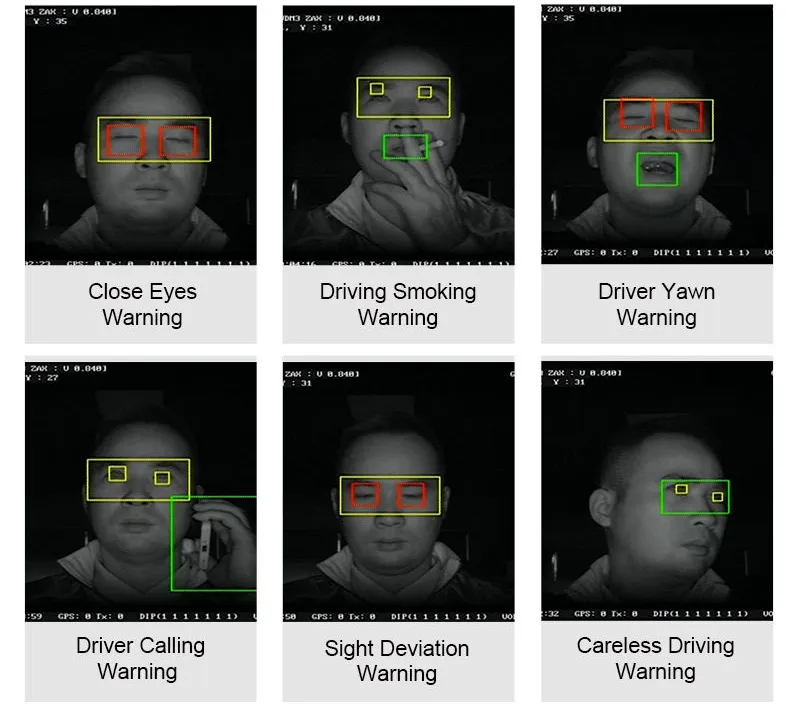
When I talk with fleet managers, many say they already know these risks exist. The problem is they cannot see them consistently. Driver behavior monitoring solves that visibility gap.
Why these behaviors increase claims
In my experience, insurers focus on patterns, not single events. Risky behaviors increase the frequency and severity of accidents. This leads to higher claim volumes, longer investigations, and higher payouts.
| Risky Behavior | Impact on Accidents | Impact on Insurance |
|---|---|---|
| Distraction | Delayed reaction | Higher fault claims |
| Fatigue | Lane departure | Severe injury claims |
| Speeding | High impact crashes | Increased premiums |
| Harsh braking | Rear-end collisions | Frequent minor claims |
Once these behaviors are visible, they become manageable. That is where real change starts.
How Does Driver Behavior Monitoring Prevent Accidents Before They Happen?
Prevention is where driver behavior monitoring shows its true value. The system does not wait for an accident to occur. It works in real time while the vehicle is moving.
Most systems use AI cameras and sensors to detect risky actions. When the system detects distraction, fatigue, or aggressive driving, it sends an immediate alert to the driver. This could be a voice warning or an audible signal. The goal is simple. Bring attention back to safe driving at the exact moment risk appears.
From what I have seen, this instant feedback changes outcomes. Drivers correct themselves before a mistake turns into a crash. Over time, fewer alerts occur because habits improve.
How real-time alerts reduce risk
I often explain it this way. A warning before impact is more valuable than a report after damage.
| Monitoring Feature | Immediate Effect | Long-Term Result |
|---|---|---|
| Fatigue detection | Driver refocuses | Fewer night crashes |
| Distraction alert | Eyes return to road | Lower rear-end risk |
| Harsh driving alert | Smoother control | Reduced vehicle wear |
This proactive approach shifts safety from reaction to prevention. That shift is what insurers and safety managers want to see.
How Does Driver Behavior Monitoring Change Driver Behavior Over Time?
Short-term alerts matter, but long-term behavior change matters more. Driver behavior monitoring creates a feedback loop that slowly reshapes driving habits.
Drivers know their actions are being measured, not judged. This awareness alone reduces risky behavior. Over time, drivers become more consistent, calm, and predictable on the road.
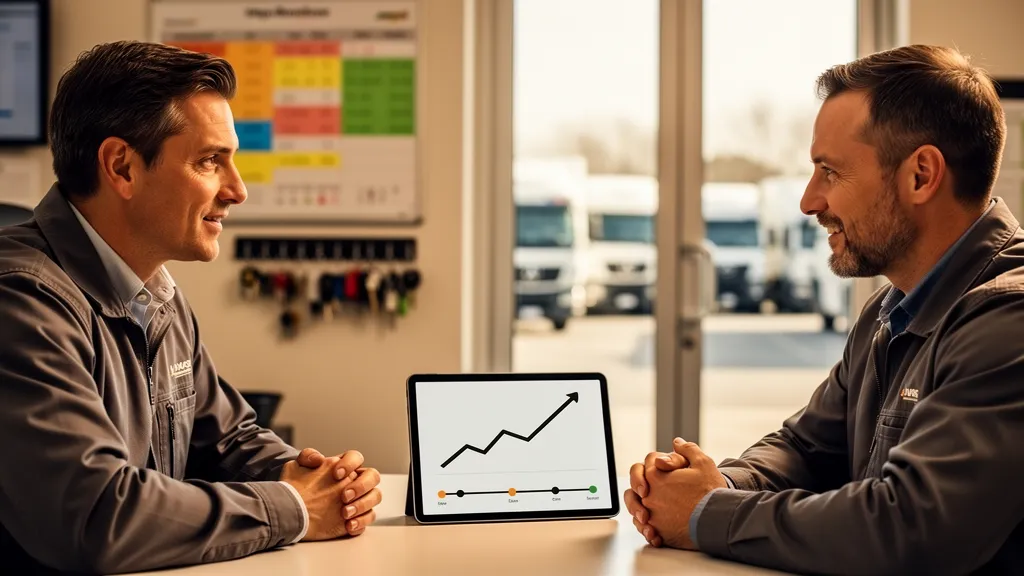
I have seen fleets use monitoring data during coaching sessions. Instead of general warnings, managers discuss real examples. This makes feedback fair and specific. Drivers understand exactly what needs to improve.
Why data-based coaching works
Data removes emotion from safety conversations. It creates trust.
| Coaching Method | Driver Reaction | Result |
|---|---|---|
| Guess-based feedback | Defensive | Little change |
| Data-based review | Understanding | Behavior improvement |
Over months, fleets see fewer alerts, fewer incidents, and more confident drivers. This behavioral stability directly reduces accident frequency, which is the strongest signal of lower risk.
Why Do Insurance Companies Favor Fleets Using Driver Behavior Monitoring Systems?
Insurance companies manage risk for a living. They prefer fleets that can prove they control risk rather than hope for good outcomes.
Driver behavior monitoring systems provide documented evidence of safety management. Insurers can see that the fleet actively identifies risks, corrects behavior, and tracks improvement over time.
From my discussions with fleet operators, insurers respond positively to this transparency. While premium reductions may not happen overnight, fleets gain leverage during renewal discussions. Fewer claims also strengthen the fleet’s position.
What insurers care about most
Insurers focus on predictability and control.
| Insurance Factor | Without Monitoring | With Monitoring |
|---|---|---|
| Risk visibility | Limited | High |
| Claim frequency | Uncertain | Reduced |
| Investigation clarity | Disputed | Data-supported |
Over time, fleets using monitoring systems become lower-risk accounts. That status influences pricing, terms, and long-term insurance relationships.
What Hidden Fleet Costs Are Reduced When Accidents Decline?
Insurance premiums are only one part of the cost story. Accidents trigger many hidden expenses that slowly drain resources.
When accidents decline, fleets reduce vehicle downtime, repair costs, replacement logistics, and administrative work. Managers spend less time investigating incidents. Drivers experience less stress and burnout.
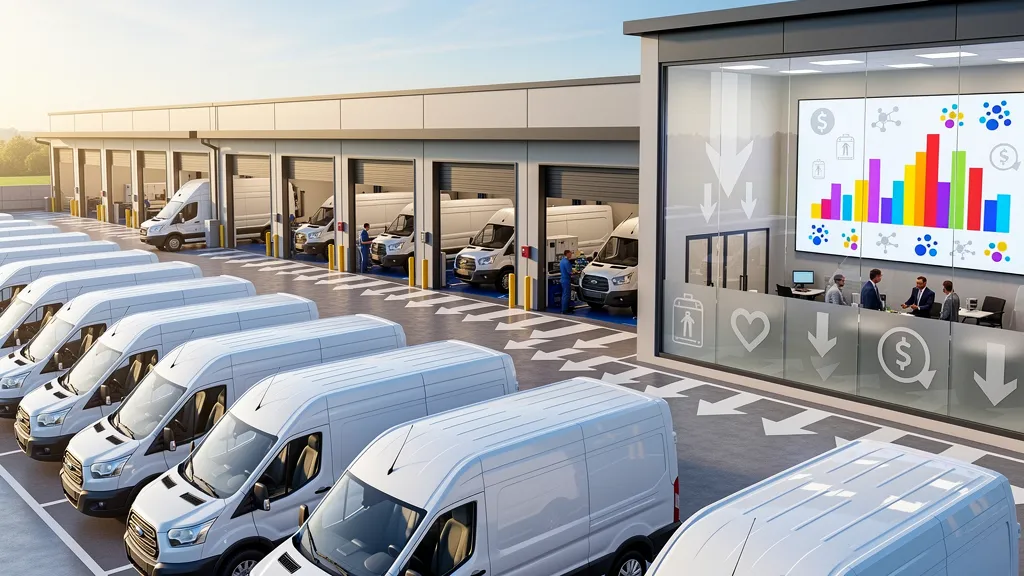
Hidden costs that often go unnoticed
I often remind teams that safety improvements ripple across operations.
| Hidden Cost Area | Impact of Fewer Accidents |
|---|---|
| Vehicle downtime | More uptime |
| Staff time | Less investigation work |
| Driver turnover | Higher retention |
| Customer trust | Fewer service disruptions |
These savings rarely appear in a single line item, but together they can exceed insurance savings. That is why accident reduction has such a strong return on investment.
Conclusion
Driver behavior monitoring reduces accidents by changing habits before crashes happen. Fewer accidents lead to fewer claims, lower risk, and lower hidden costs. When fleets manage behavior with data, safety improves and insurance conversations change. If you want to understand how this approach fits your fleet, now is the right time to explore it.

 Arabic
  English
  Spanish
  Japanese
  German
  Dutch
Dutch