
Camera Systems for Agricultural Vehicles
Improving Visibility and Operational Awareness in Farming Operations
Visibility Challenges in Agricultural Operations
Agricultural vehicles operate in wide, open environments, but visibility challenges are often underestimated. Large machinery, attached implements, changing crop height, and mixed human–machine activity can significantly limit what operators can see during daily work.

Common visibility challenges in agriculture include:
- Limited visibility caused by large vehicle structures
- Obstructed rear view due to implements such as seeders, sprayers, and harvesters
- Difficulty monitoring side areas and crop rows during operation
- Risk of missing workers, tools, or animals in the working area
- Reduced accuracy when reversing, turning, or aligning equipment
Improving visibility helps operators work more confidently and reduces unnecessary guesswork in the field.
Camera and Monitor Solutions for Agricultural Vehicles
Our agricultural camera systems combine rugged industrial cameras with in-vehicle monitors to provide real-time visibility around farm machinery. Both wireless and wired configurations are available, allowing the system to adapt to different vehicle types, installation conditions, and long-term usage requirements. Multi-camera support enables operators to monitor implements, surroundings, and working paths from a single display. These systems are designed to support daily agricultural operations without adding unnecessary complexity.
Wireless and Wired Camera Options for Agriculture
Different farming operations require different installation approaches. To support a wide range of agricultural equipment, both wireless and wired camera solutions are available.
Wireless Camera Systems
Wireless camera systems are well suited for applications where flexibility and fast installation are important.
- Reduced wiring and simpler installation
- Flexible placement on different machines
- Suitable for retrofitting existing agricultural vehicles

Wired Camera Systems
Wired camera systems are commonly used for long-term and high-duty agricultural operations.
- Stable and continuous signal transmission
- Suitable for permanent installations
- Reliable performance for extended working hours

The choice between wireless and wired systems depends on equipment usage, installation preferences, and operating conditions.
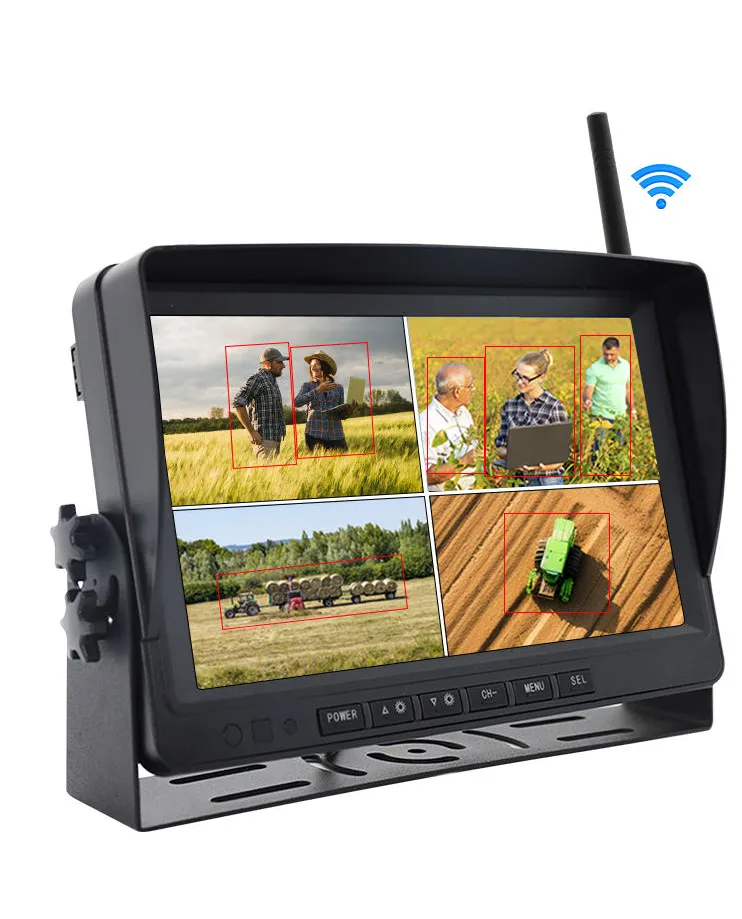
Multi-Camera Coverage for Agricultural Machinery
Agricultural operations often require operators to monitor multiple areas at the same time. Multi-camera systems allow different views to be displayed on one monitor, helping operators better understand their surroundings and equipment status.
Typical coverage includes:
- Rear view of implements and attachments
- Side view of crop rows and field boundaries
- Ground-level view around the vehicle
Multi-camera display reduces uncertainty during operation and supports more precise control of agricultural equipment.
Typical Camera Views in Agricultural Applications
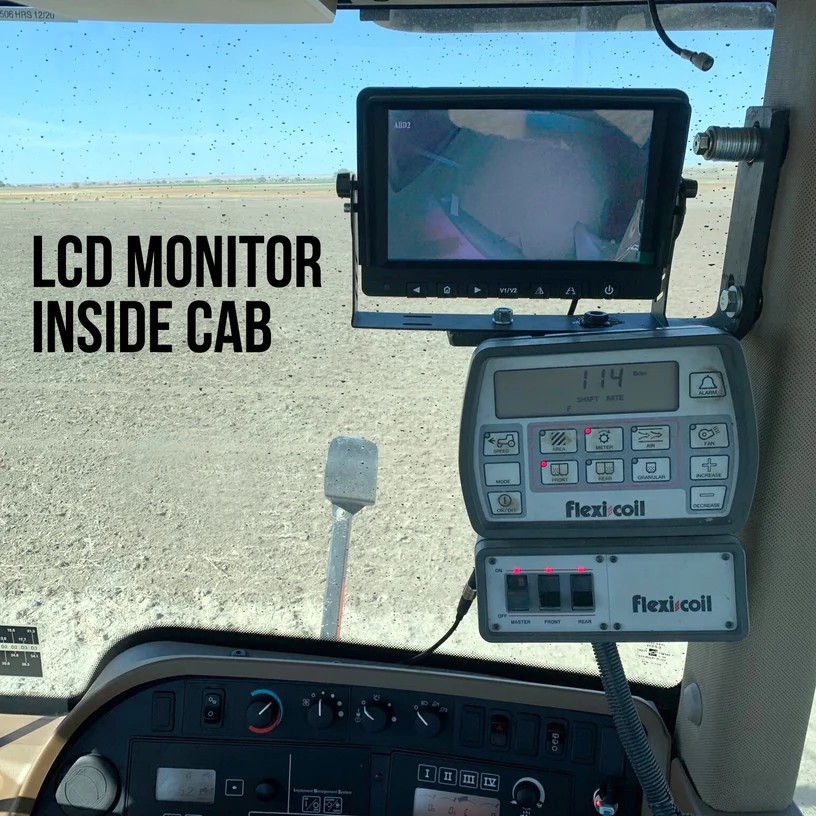
Rear / Implement View
Provides a clear view of attached equipment such as seeders, sprayers, or harvesters, helping operators monitor performance and alignment.
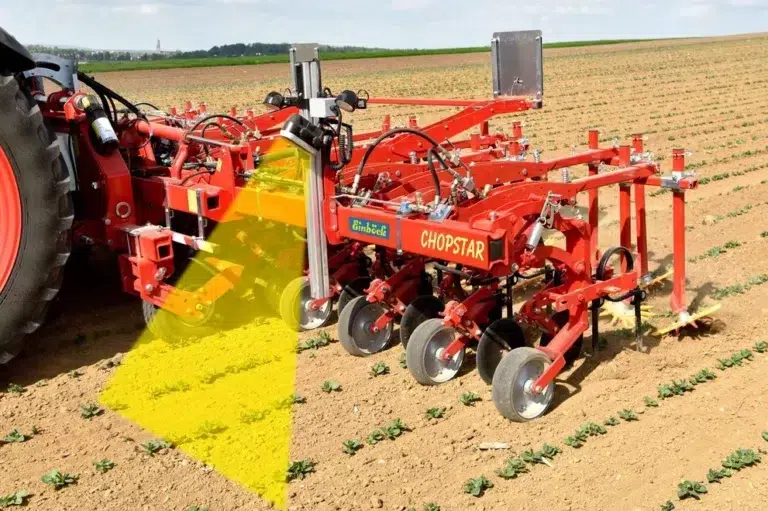
Side View
Improves awareness of crop rows, field edges, and nearby obstacles during turning or parallel operation.
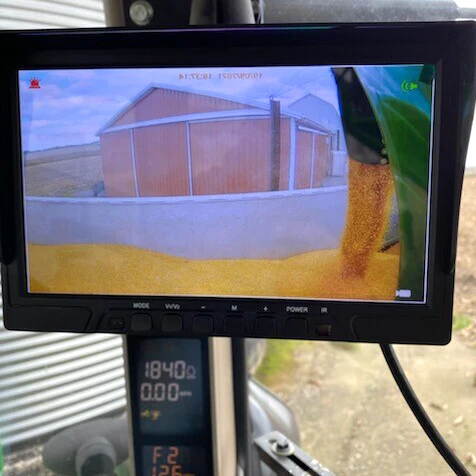
Wide Rear / Ground View
Enhances visibility around the vehicle, helping operators notice workers, tools, or animals in the working area.
Key Benefits for Farming Operations
- Improved operational awareness in open-field environments
- Better visibility of implements and attachments
- Reduced equipment damage and rework
- Safer operation around workers and animals
- Improved efficiency during planting, spraying, and harvesting

Applications Across Agricultural Vehicles
Camera systems are suitable for a wide range of agricultural machinery, including:
- Tractors
- Harvesters
- Sprayers
- Seeders
- Utility vehicles used on farms
Frequently Asked Questions About Camera Systems for Agricultural Vehicles
Agricultural vehicles often operate with limited visibility due to large machine structures, attached implements, and changing crop conditions. Camera systems help operators monitor rear, side, and ground-level areas, improving situational awareness and reducing guesswork during daily field operations.
Camera systems help address common agricultural visibility challenges such as obstructed rear views caused by implements, difficulty monitoring crop rows and field edges, and limited awareness of workers, tools, or animals near the vehicle during operation.
Both wireless and wired camera systems are used in agriculture. Wireless systems are often chosen for flexible installation and retrofitting existing machinery, while wired systems are preferred for long-term use where continuous operation and stable signal transmission are required. The choice depends on equipment type, installation preference, and working conditions.
The number of cameras depends on the machine and task. Many agricultural vehicles start with one camera to monitor rear implements. More complex operations often use multiple cameras to view implements, side areas, and the surrounding working environment from a single monitor.
Camera systems designed for agricultural use are built to operate in outdoor conditions such as dust, vibration, and varying weather. Suitability depends on camera specifications including enclosure protection, operating temperature range, and installation method.
Yes. Camera systems are commonly used to retrofit existing agricultural vehicles. Both wireless and wired configurations can be adapted to tractors, harvesters, sprayers, and other machinery without interfering with normal operation.
Yes. By providing clearer views of implements, crop rows, and working areas, camera systems help operators work more precisely and confidently. This can reduce rework, minimize equipment damage, and improve efficiency during planting, spraying, and harvesting.